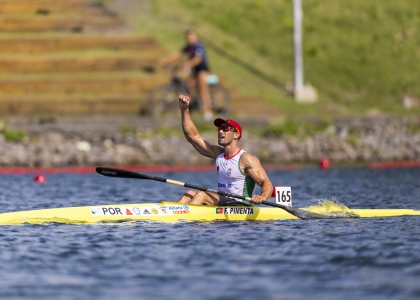

Szeged is located in southern Hungary near the Serbian and Romanian border, sitting on the banks of the Tisza River. Commonly referred to as the “City of Sunshine” due to its high number of sunny days per year, Szeged is a vibrant university city with a youthful atmosphere, elegant architecture, and a relaxed pace of life.
The city is widely regarded as the spiritual home of Canoe Sprint, boasting a deep-rooted paddling culture and a long tradition of hosting world-class races.
When visiting the city, it’s common to see both locals and tourists taking to the water, exploring its beauty from the seat of a kayak. It offers a completely different perspective, one that lets you experience Szeged in a more immersive and memorable way.
Getting there & around
The closest major international hub is the Hungarian capital of Budapest, approximately two hours away by train or car. Direct trains and buses run frequently between the two cities, making travel straightforward and reliable.
If travelling from outside Hungary, alternative nearby hubs include:
Belgrade, Serbia: around 2.5 hours by car
Timisoara, Romania: less than two hours by car, with an international airport offering regional connections
Once in Szeged, getting around is easy and efficient. The city has an extensive network of trams and buses, alongside a growing cycling infrastructure. However, Szeged is also highly walkable, with a compact city centre, pedestrian-friendly streets, and a scenic riverside promenade.
Key areas and neighbourhoods
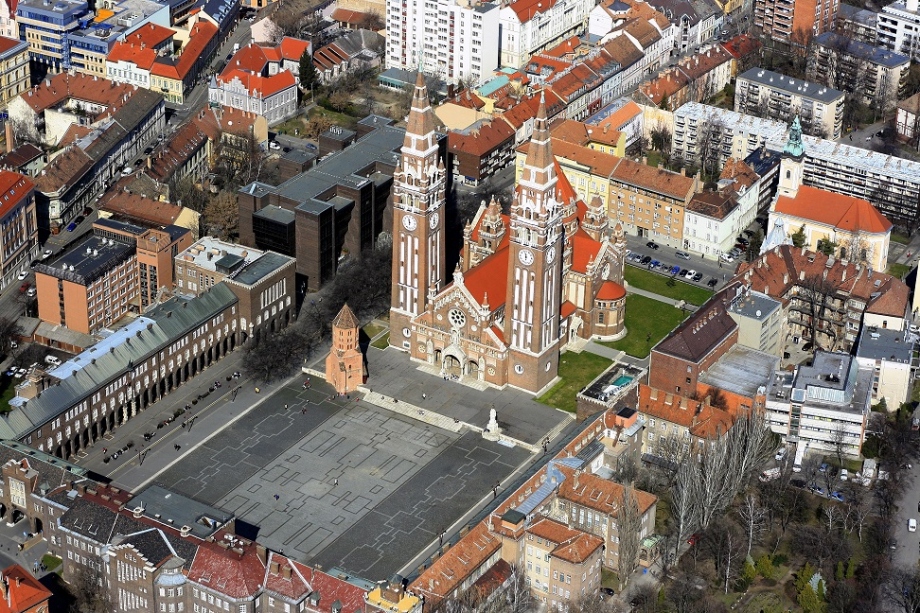
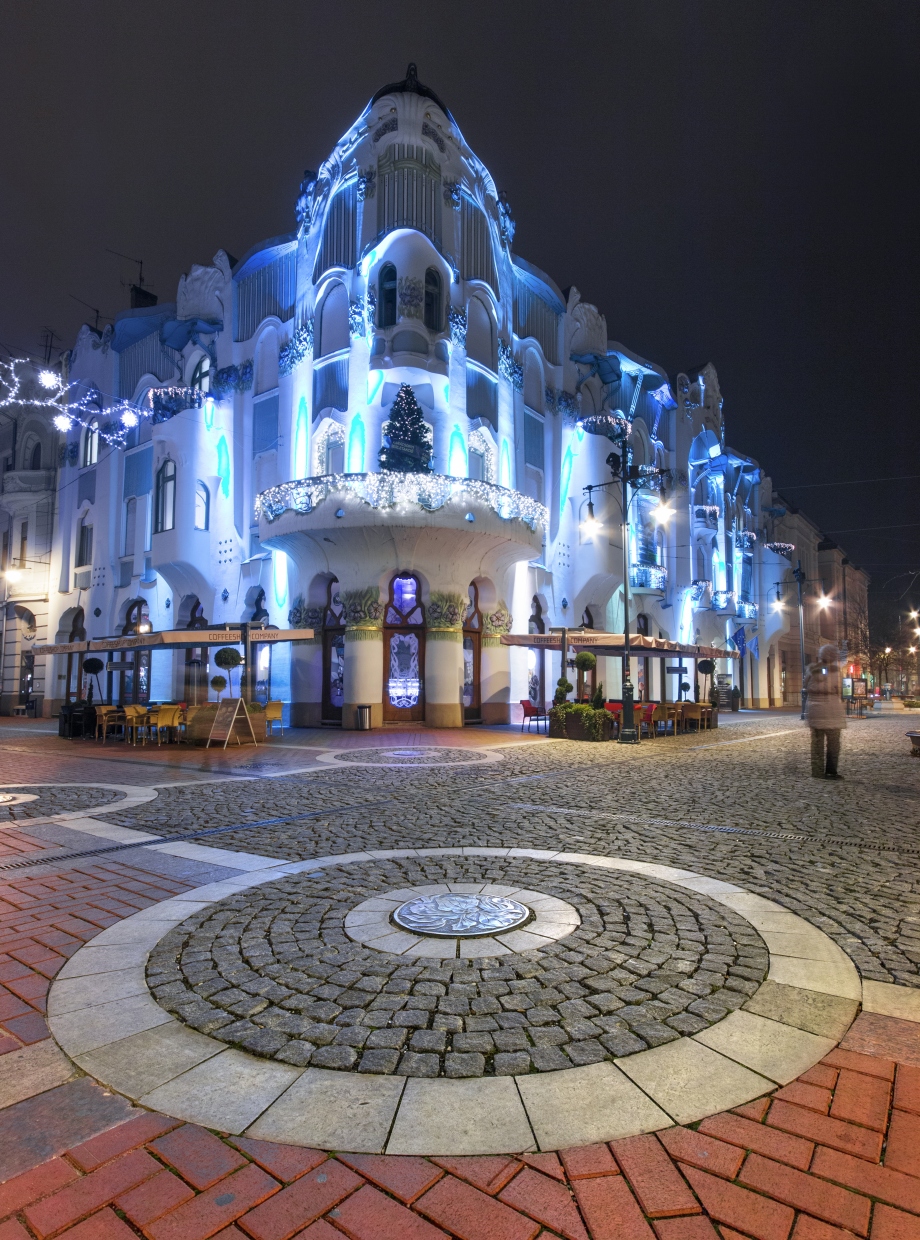
As Hungary’s third largest city, Szeged is known for its Art Nouveau architecture, the scenic Tisza River, and the iconic Votive Church.
City Centre (Belvaros): The heart of Szeged is Belvaros where most visitors stay. It offers easy access to attractions, cafes, bars, restaurants, and shops, all within walking distance. It is lively throughout the day and into the evening, making it ideal for first-time visitors.
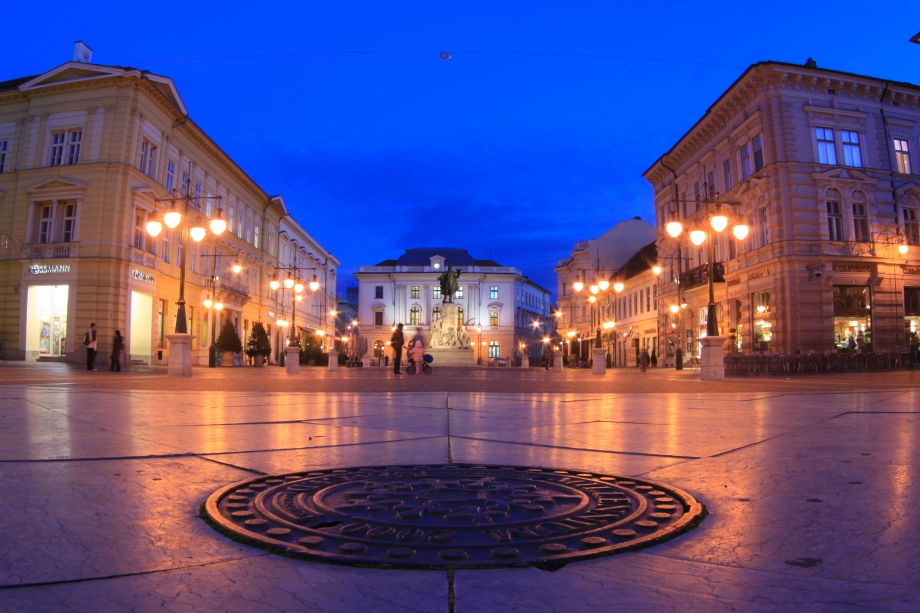
Dom Square (Dom ter): It is one of the city’s most important public spaces and a must-see landmark. It hosts major events, including the renowned summer theatre festival, and is home to the impressive cathedral.
Riverside area: The banks of the Tisza River offer a more relaxed atmosphere, with walking paths, green spaces, and scenic views – perfect for unwinding after exploring the city.
Szeged is often described as a hidden gem of Hungary, with architecture and historic details that reward slow exploration.
Top attractions
Votive Church of Szeged: The fourth largest church in Hungary, built after the Great Flood of 1879 and competed in 1930, its twin towers dominate the city skyline.
Dom Square: A grand square built between 1929 and 1932, it’s often used for cultural events and festivals
Reok Palace: A striking Art Nouveau building from 1907, designed by architect Ede Magyar, it’s now used for exhibitions
Anna Medical Thermal and Experience Bath: A traditional Hungarian thermal bath offering wellness pools and relaxation experiences in the city centre
Food & Drink
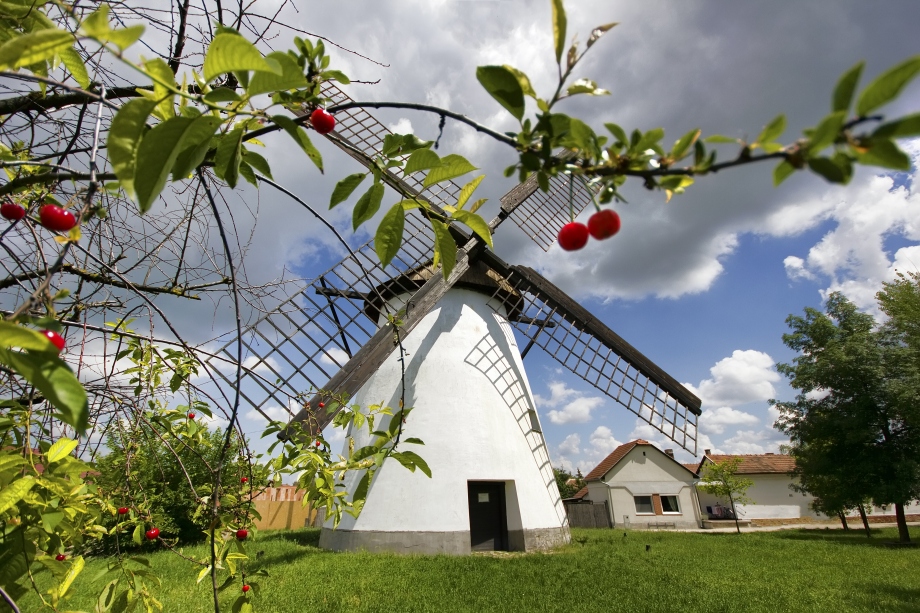
Szeged is well known for its culinary heritage, particularly its use of paprika, which has been cultivated in the region since the 16th century.
One of the city’s most famous dishes is Halaszle, a spicy fish soup traditionally prepared along the Tisza River.
Across the city, visitors will find a mix of traditional Hungarian restaurants, modern cafes, and international cuisine options. The café culture is especially strong, with many social sports concentrated in the city centre.
Accommodation
Szeged offers a wide range of accommodation options suitable for all budgets:
City Centre: Best for first-time visitors, offering convenience and proximity to major attractions and transport links
University area: Budget friendly and lively, and popular with students
Riverside hotels: Quieter, scenic stays near the Tisza River
Practical Information
Currency: Hungarian Forint (HUF)
Language: Hungarian (English is spoken widely in hospitality and tourism)
Transport: Affordable and accessible public transport system
Weather: Hot dry summer months, cold winters but generally dry city all year long
The Tisza River and the purpose-built Maty-er course regularly stage major international competitions, including the upcoming ICF Canoe Sprint World Cup from May 8 to 10, bringing extra energy, colour, and atmosphere to the city.
Join Planet Canoe's YouTube channel for €9.99 per month to unlock members-only content and features
Related links