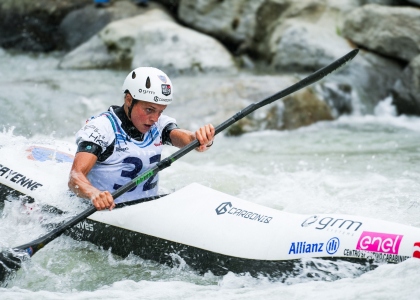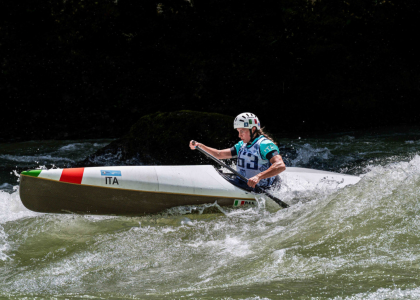

For the people of Banja Luka, the Vrbas River is far more than a sporting venue. It is part of the city’s identity – a fast, cold ribbon of emerald water cutting through limestone canyon walls before spilling into everyday life.
Deeply intertwined with the local Kajak Kanu Klub Vrbas, which celebrates its 80th anniversary next year, the Vrbas Wildwater venue has become a symbol of both sporting tradition and the natural character of the region.
Racers are met with natural rapids, steep canyon walls, and constantly shifting water that cannot be perfectly controlled or predicted.
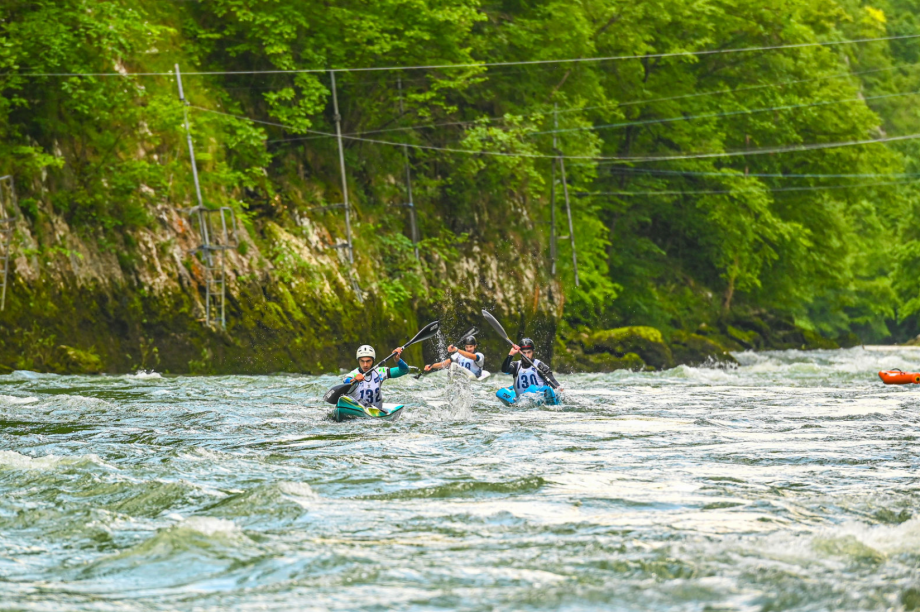
Organiser and former paddler Nicola Stankovic understands what makes the river in Bosnia and Herzegovina special.
“You cannot describe the Vrbas; you have to come and experience it to truly understand it,” he said.
“It is definitely one of my favourite places to paddle.
“I began paddling here when I was young - starting in 1994.
“It was a big deal to practice here as once you have gone to the canyon, you can say you practice kayak.”
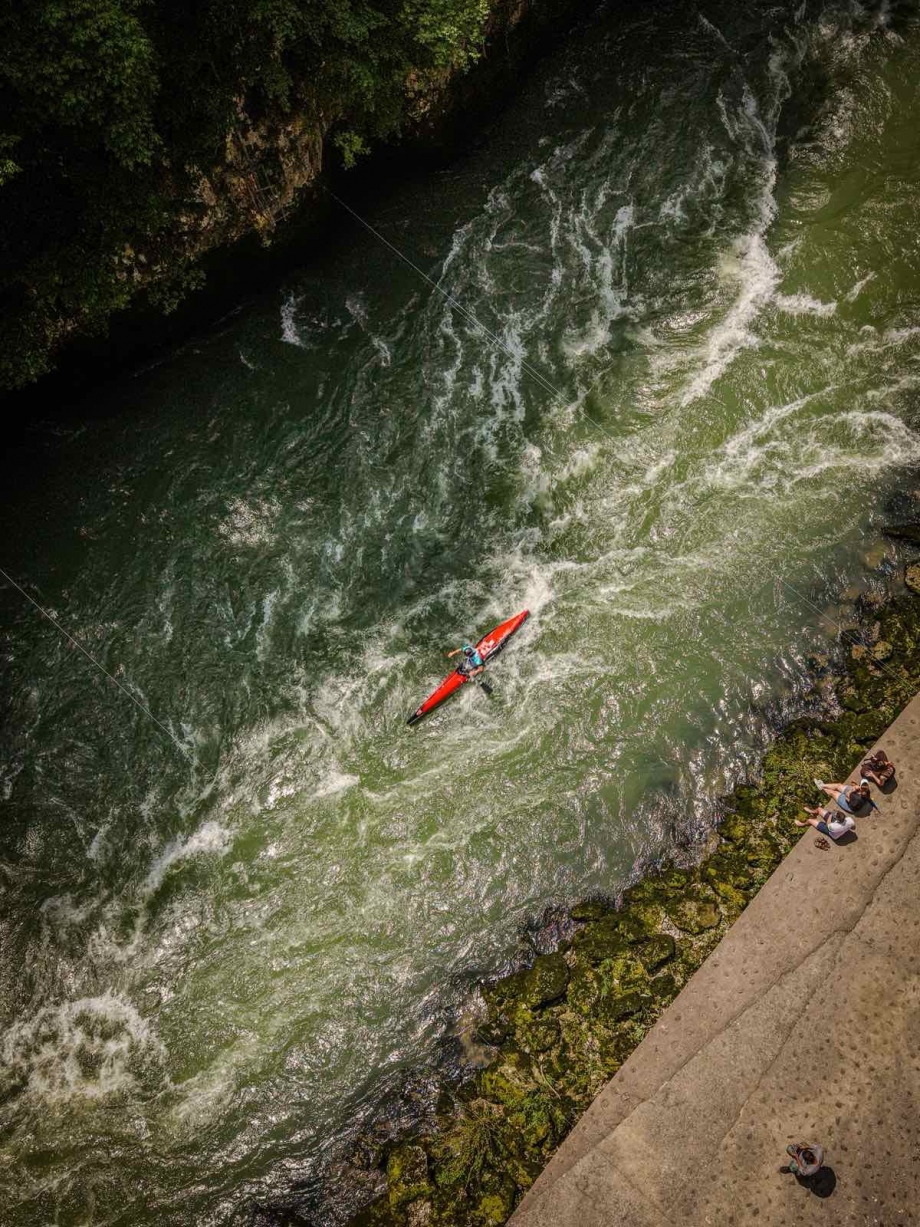
That connection between city and river is central to the atmosphere surrounding the International Canoe Federation Wildwater Canoeing World Championships.
The Vrbas first welcomed major international racing in 2009 with the Balkan Championships and has steadily grown into one of Europe’s recognised Wildwater Canoeing destinations.
Even so, the river has a way of reminding people who truly controls the canyon.
In 2014, severe flooding swept through much of Bosnia and Herzegovina and neighbouring Serbia, dramatically changing sections of the canyon around the course.
“The Vrbas flooded several feet, and we had to reconstruct a lot of the pathways,” Stankovic recalled.
Rather than diminishing the venue, the floods reinforced the respect local people have for the river.
The canyon was rebuilt, access paths restored, and only two years later Banja Luka hosted its first ICF Wildwater Canoeing World Championships in 2016.
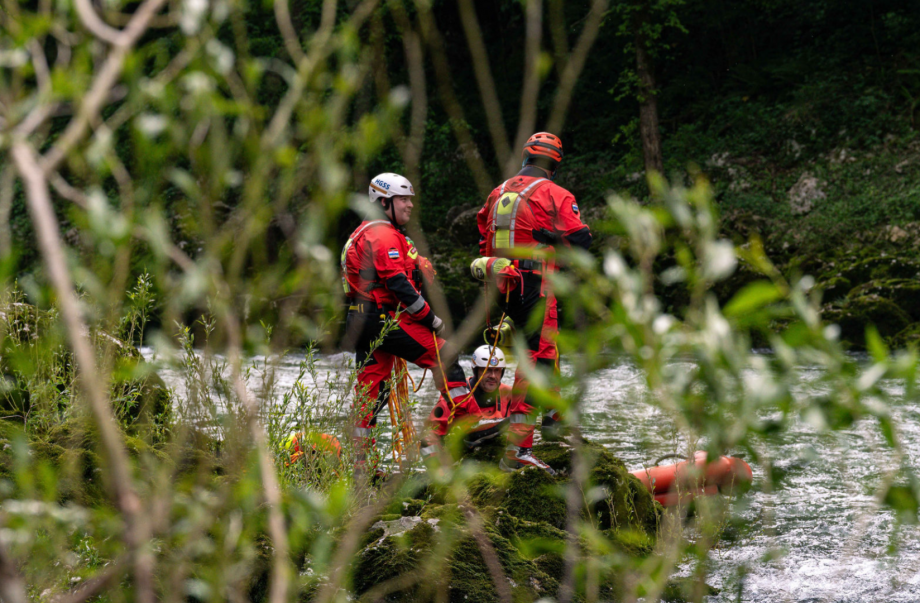
“Our venue is quite unique in the kayaking world; it makes it extra special for us,” said Stankovic.
“The course is used all year round.
“We have a good relationship with the hydroelectric water plant, and they are good to us. They understand our needs and always provide the water levels we require.
“In case of large rainfall, it is controlled by the plant, so it means the water levels can remain stable.
“The water is very strong for the competitions and has a former competitor I can say it is one of the harder courses in Wildwater Canoeing.
“It’s fast, cold, and unpredictable.”
Stankovic and Dejan Travrar, Head of Sport in the City of Banja Luka, have been working alongside each other for two decades, experiencing everything on offer.
“This river is very special, very important to us as a community,” said Travrar.

“It is always great to host competitions here.”
Today, the World Championships return to a river that still feels fundamentally untamed - one where nature shapes the competition as much as the athletes themselves.
For competitors arriving from around the world, the Vrbas offers more than a racecourse.
It offers a reminder of what Wildwater Canoeing was always meant to be: a sport inseparable from the river itself.
“I have paddled all over the world, but there is no place like home,” said Stankovic.
Related links