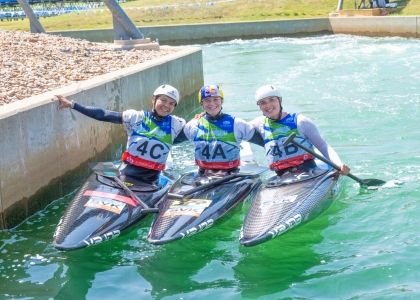

Almost a year on from giving birth to her son, Dutch-born paddler Martina Wegman is back in her boat and learning to navigate the currents of comebacks and parenthood - redefining what success means to her.
Wegman made her professional debut more than a decade ago and has since made waves in kayak cross, winning three golds and two silvers across World Cup events, all while mastering the art of pressure, precision, and perseverance.
She thought she understood exactly what those qualities meant – until she became a mother.
Having started her competitive pursuit of Canoe Slalom at the relatively late age of 24, Wegman said she never felt pressure surrounding her performances.
“As a started late, I never felt that type of pressure, I was always able to kayak out of enjoyment,” said Wegman.
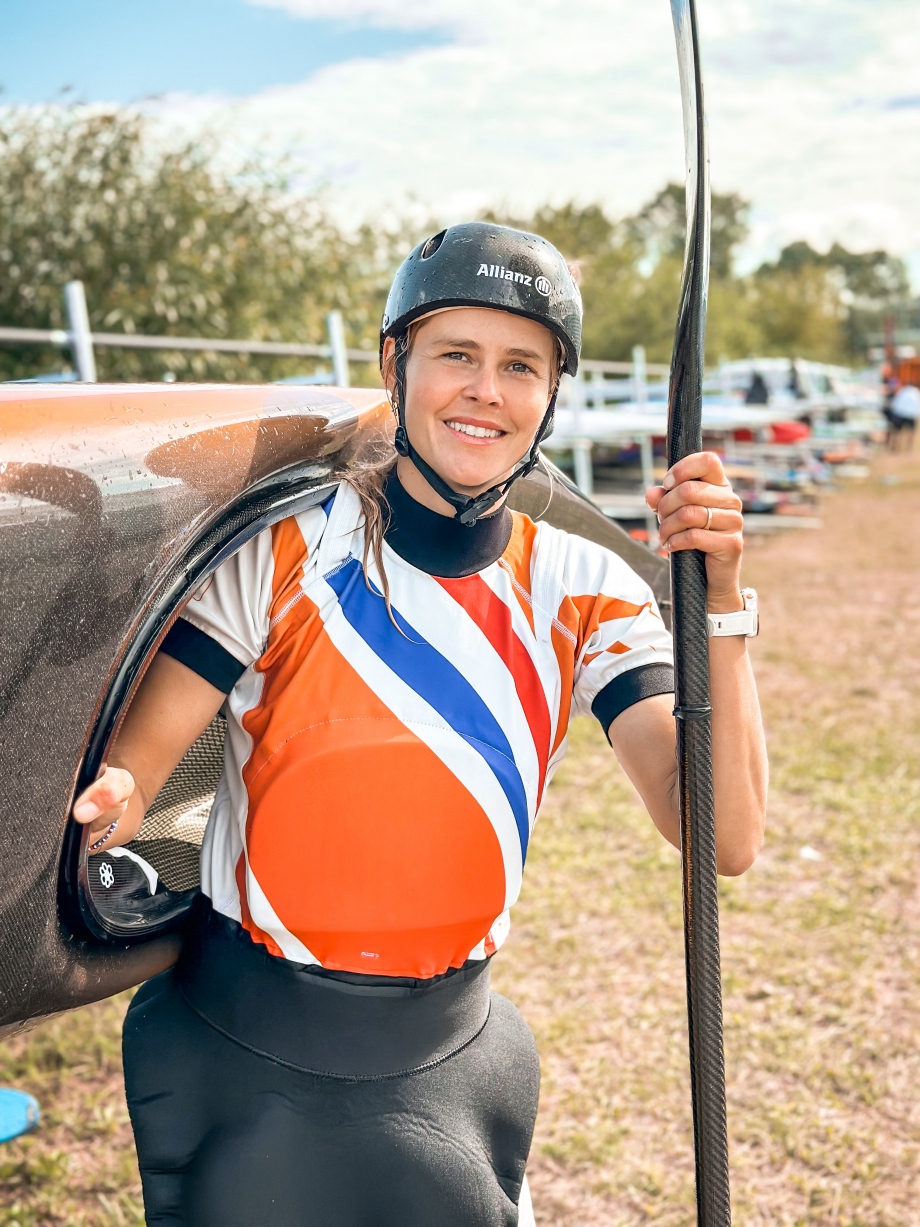
That enjoyment carried her through two Olympic campaigns, including finishing seventh at the Olympic Games Tokyo 2020. Her recent switch from the Netherlands to New Zealand representation felt seamless – natural, even.
“I don’t feel like anything has changed. Whether I have the Dutch or New Zealand sticker, I just feel like I’m still Martina,” she said.
Yet, while her sense of self remains constant, returning to high-performance sport after having a baby has been anything but straightforward.
When Wegman returned to competition in January this year, she felt underprepared and lacking confidence. Training had been inconsistent, her sleep was fractured, and her husband’s work travel meant solo parenting stretches. With her family based back home in the Netherlands, the support network many athletes rely on simply wasn’t there for her.
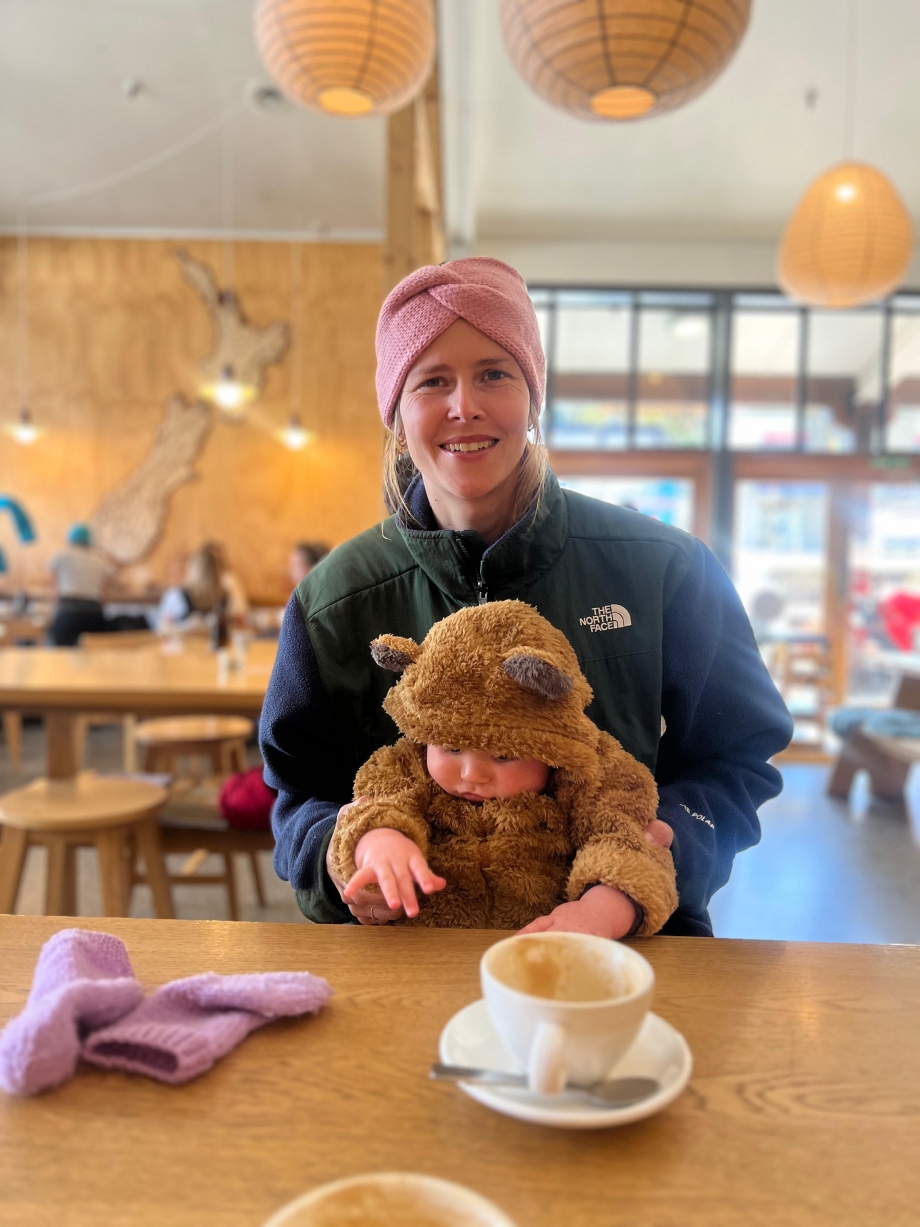
Despite her doubts, she still won gold at both the Mangahao and New Zealand Open. The results told one story; her internal experience told another.
In the build-up to the competitions, she wasn’t training the way she was used to. Even now, Wegman admits: “I haven’t been out on the water in two weeks, it’s hard to set-up a routine when I don’t have a base.”
The rhythm that once defined her performance had disappeared. Or so it seemed. Over time, something shifted, and her training began to feel easier. Sessions stacked together and strength returned in subtle ways.
“Before my break, I could do five pull ups with 20kg, when I came back, I couldn't even do one,” said Wegman.
“But then, two turned to five, and I was slowly getting my rhythm back.”
She realised she was improving, even if, in the moment, it didn’t always feel like progress. The frustration remains but kayaking is a sport built on repetition and feel. Time on the water and consistency matters.
“It’s frustrating not to be out on the water all the time, but it’s really great that I can spend time with my son, see him growing up, and be there for him. It’s all about finding the balance,” she said.
Unlike some athletes chasing unfinished business, Wegman speaks about the future with a calm perspective. The thought of LA28 is there, but it doesn’t consume her.
“It’s not my number one priority; I feel satisfied about competing at two Olympic Games already. I wouldn’t regret it if I don’t make it to LA, but if everything aligns – I would love to go,” said Wegman.
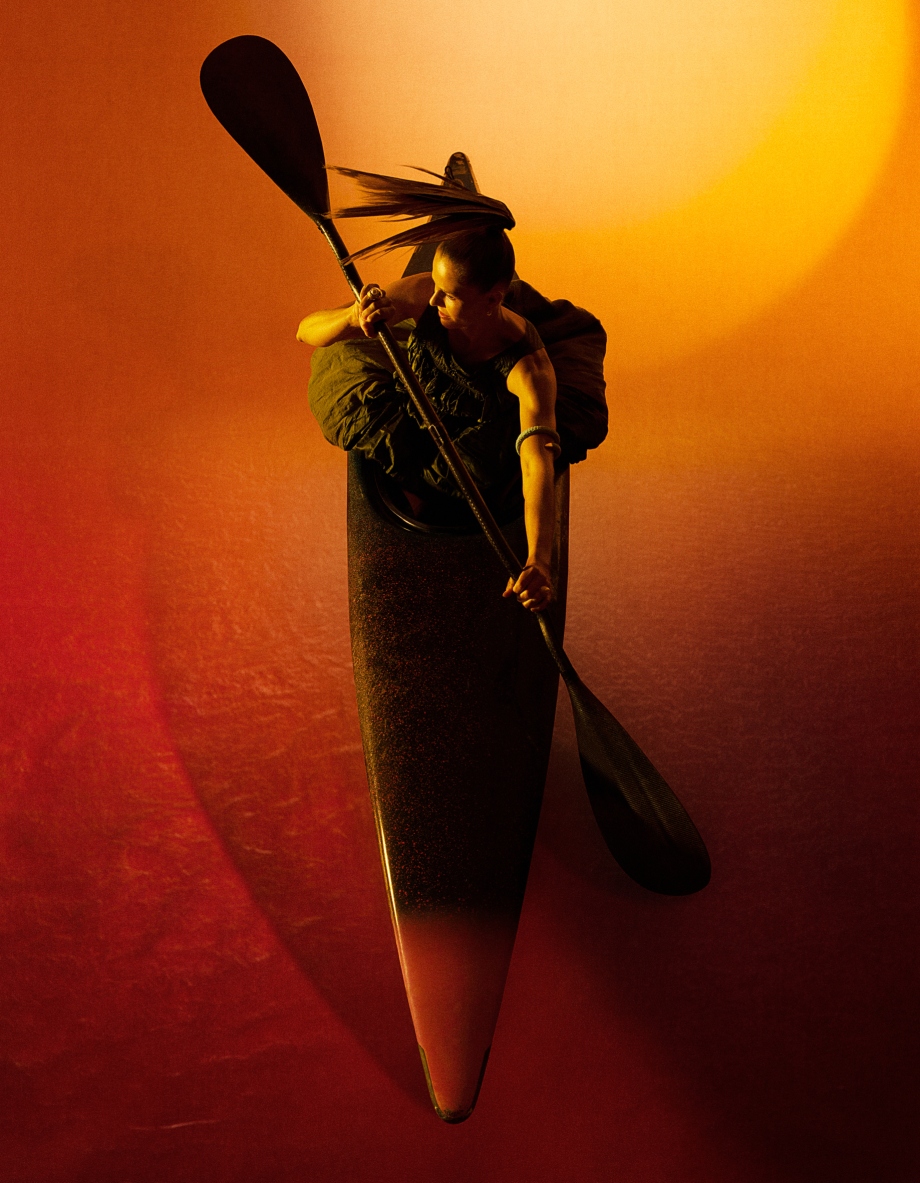
It’s a different kind of motivation, one of less urgency. However, she still acknowledges the reality.
Without personal family in New Zealand, and with the unpredictability of parenting, building a consistent training schedule remains her biggest challenge.
If the first decade of Wegman’s career was about physical strength and technical mastery, this chapter is about resilience of a different kind.
“Challenging, that’s the word I’d use to describe this phase,” said Wegman.
There are days she wishes she had more time on the water, days where the lack of rhythm feels heavy, and days where elite sport seems designed for people without toddlers.
Yet she is still here. Still racing, winning, and working to improve. Wegman’s return isn’t built on ideal conditions. It’s built-on adaptability and perspective.
Motherhood hasn’t softened her competitive edge, it’s reshaped it.
Related links: