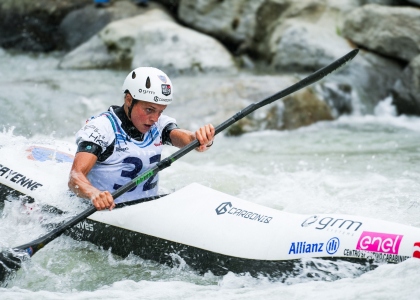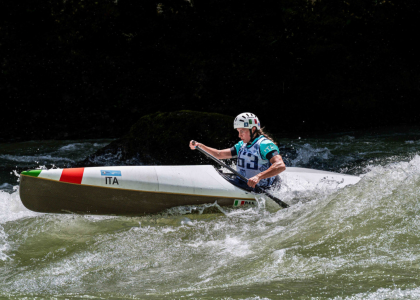

Banja Luka, often described as the “City of Greenery”, is known for its tree-lined avenues, riverside setting, and relaxed atmosphere. Set along the banks of the Vrbas River, it offers a perfect balance of urban life and outdoor adventure.
Whether its rafting through the Vrbas canyon, kayaking along calmer stretches of the river, or simply enjoying a walk by the water, Banja Luka has plenty to offer visitors seeking both excitement and tranquillity.
Located in northern Bosnia and Herzegovina, the city is the second largest in the country and serves as the cultural and administrative centre of Republika Srpska.
The Vrbas River has also helped establish Banja Luka as an international hub for paddle sports, regularly hosting international canoe and kayak disciplines, attracting athletes and outdoor enthusiasts from across Europe.
Getting there and around
Banja Luka is well connected within the region, though slightly off the main European travel routes. The nearest airport is Banja Luka International Airport, located about 25 minutes from the city centre, with seasonal and regional flights.
Popular travel hubs include:
Zagreb: 2-2.5 hour drive
Sarajevo: 4-5 hour drive
Belgrade: 3.5-4 hour drive
Buses are the most common mode of transport within Banja Luka, with tickets easy and affordable to come by. Cycling is also popular, especially along the Vrbas River, where scenic paths run through green spaces and parks.
Key areas and neighbourhoods
City Centre: The heart of Banja Luka, filled with shops, cafes, restaurants, and cultural landmarks. It’s lively during the day and into the evening, making it ideal for visitors.
Gospodska Street: The main pedestrian street, lined with Astro-Hungarian architecture, boutiques, and cafes – perfect for an afternoon stroll.
Vrbas Riverside: A defining feature of the city, the riverbanks offer walking paths, kayaking sports, and access to rafting routes further upstream.
Top attractions
Kastel Fortress: A historic riverside fortress dating back to Roman times, later expanded during Ottoman rule. Today, it’s a cultural venue and popular gathering spot.
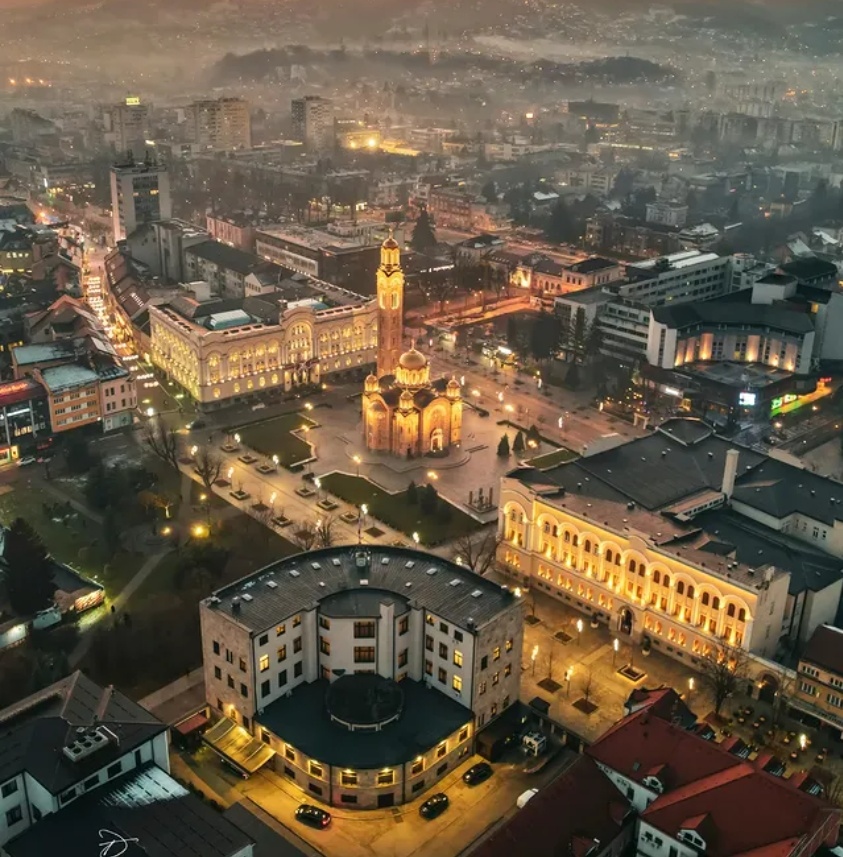
Cathedral of Christ the Saviour: One of the city’s most recognisable landmarks, rebuilt in the early 2000s, with striking golden domes.
Ferhadija Mosque: A beautifully restored 16th-century Ottoman Mosque and an important cultural symbol of the city.
Krupa na Vrbasu: A picturesque village just outside Banja Luka, known for its waterfalls, traditional mills, and serene natural setting.
Food and drink
Banja Luka’s food scene reflects traditional Bosnian cuisine with strong regional influences. Local specialties include grilled meats such as cevapi, hearty stews, and fresh river fish.
The city is known for its vibrant café culture, with riverside terraces and shaded squares filled with relaxed locals enjoying coffee throughout the day.
Accommodation
Banja Luka offers a range of accommodation options:
City Centre: Best for convenience, nightlife, and proximity to major attractions.
Riverside stays: Ideal for scenic views and quick access to outdoor activities.
Boutique guesthouses: Smaller, locally run options offering a more personal experience, often at good value for money.
Practical Information
Currency: Convertible Mark (BAM)
Language: Bosnian, Croatian, and Serbian
Transport: Affordable buses and taxis, with a walkable city centre
Weather: Hot summers, mild to cool winters
Pictures by Tomas Damjanovic
Join Planet Canoe's YouTube channel for €9.99 per month to unlock members-only content and features
Related links