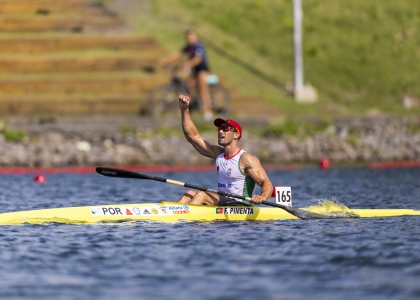

The Erasmus School of Economics in Rotterdam has partnered with boat manufacturer NELO for a seven-week project within the MSc Marketing Programme.
As part of the Strategic Marketing Leadership seminar, students used NELO, an International Canoe Federation Gold Partner, as a live case study to explore how the company can broaden its mainstream appeal while maintaining its high-performance racing identity.
Nuno Almeida Camacho, Professor at the Erasmus School of Economics, explained the key aims behind the project.
“The objective was to move students from discussing marketing strategy into theory to actually practising how to generate customer insights using Artificial Intelligence,” he said.
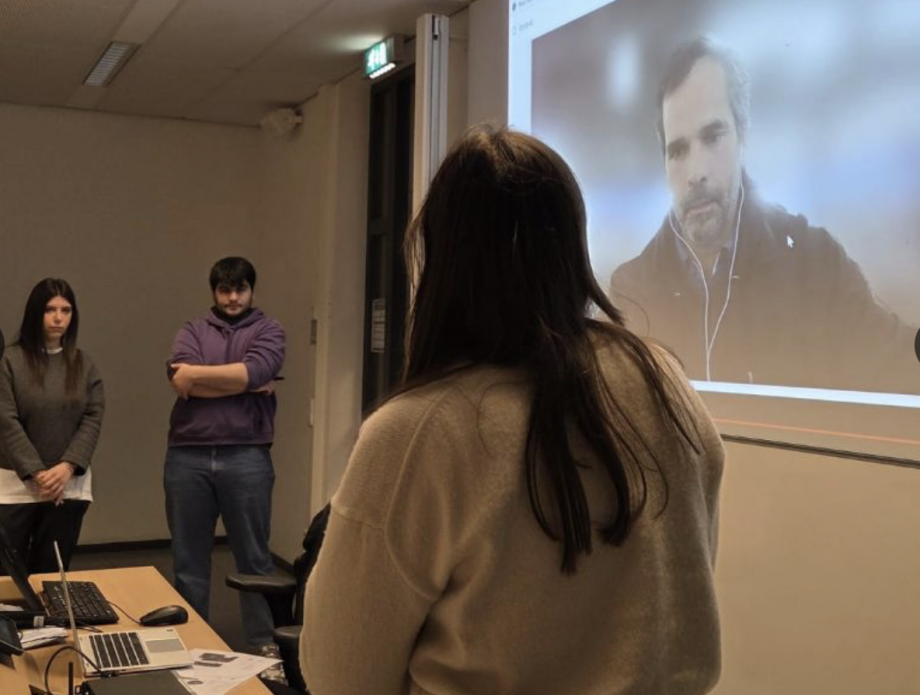
Using AI-driven analysis combined with independent research, students profiled canoeing consumers and identified two primary segments: active holiday enthusiasts and avid paddlers.
The AI modelling closely aligned with NELO’s existing customer base, validating both the methodology and the company’s current market positioning.
“Students saw how powerful generative AI can be as a tool for fast exploratory market research,” said Camacho.
Findings were presented to NELO CEO Andre Santos, with particular emphasis on improving engagement for the mid-20s demographic – as it was identified as an age group where engagement hugely drops.
For Santos, the value of the collaboration lay in receiving perspectives from individuals outside the traditional paddling community.
“I learnt a lot from the talk. When you speak with people without a paddle background, they offer an unbiased perspective. It was very, very refreshing,” said Santos.
Santos stressed that paddling must evolve to reach new markets, with NELO aiming to lead that transition.
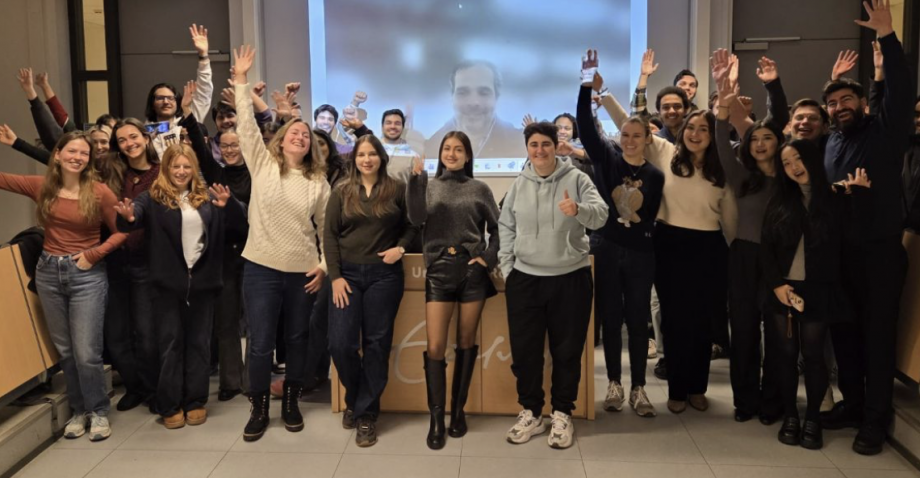
“We are trying to create an ecosystem where information lives in one place,” said Santos.
Camacho added: “The NELO kayaks case was very important, not only for this year’s class but also for future students at Erasmus University.
The project underlined the importance of coordinated promotion and engagement strategies to expand recreational participation and strengthen the long-term sustainability of canoeing.