
The International Canoe Federation (ICF) Board of Directors has endorsed the strategic direction for the future evolution of Olympic Canoe Sprint, taking an important step towards shaping the discipline ahead of the Brisbane 2032 Olympic Games.
Approved by 26 votes to one, the Board agreed, in principle, that the future Olympic Canoe Sprint programme should be centred on 500-metre racing, complemented by long-distance racing.
This thereby followed the recommendation of a working group which was set up in 2025 comprising 10 international sprint experts, Olympic athletes, athlete representatives and coaches.
The decision establishes strategic direction only. It does not determine the final Olympic event programme, boat classes, athlete quotas or competition formats, which will be considered through a future review process in line with the International Olympic Committee’s (IOC) Fit for the Future programme.
With the IOC currently undertaking its own review of the Olympic programme for Brisbane 2032, the Board agreed it was important to establish a clear strategic direction before any detailed proposals are considered.
ICF President Thomas Konietzko said the Board’s decision represents an important milestone in ensuring Canoe Sprint continues to evolve alongside the Olympic Movement while remaining true to the traditions that have made it an iconic Olympic sport since its introduction at the Berlin 1936 Olympic Games.
The strategy for selecting future Olympic sports and disciplines, which was adopted by the IOC last week, has demonstrated that the discussions over the past two years have been aimed at reducing the cost and complexity of staging the Olympic Games, whilst at the same time enhancing their global appeal, the athletes’ experience and their universality was heading in exactly the right direction.
“The Olympic Movement is continually evolving and we have a responsibility to ensure Canoe Sprint evolves with it,” Konietzko said.
“Today’s decision is not about finalising an Olympic programme. It is about agreeing the strategic principles that should guide our thinking as we continue to strengthen Canoe Sprint’s position within the Olympic Movement.
“Canoe Sprint is already a fantastic Olympic discipline. Our responsibility is to continue evolving it in a way that builds on its strengths, creates new opportunities for future host cities and athletes, and inspires the next generation, while always respecting the heritage and sporting excellence that define our sport.”
Toshi Furuya, Chair of the ICF Canoe Sprint Committee, has been instrumental in the strategic direction as the head of the working group.
The strategic direction forms part of the ICF’s wider Fit for Future strategy, which is focused on strengthening the sport’s long-term Olympic position while continuing to grow participation, improve event presentation, create new commercial opportunities and reinvest into the global development of paddlesport.
Athletes’ voice at the heart of the review
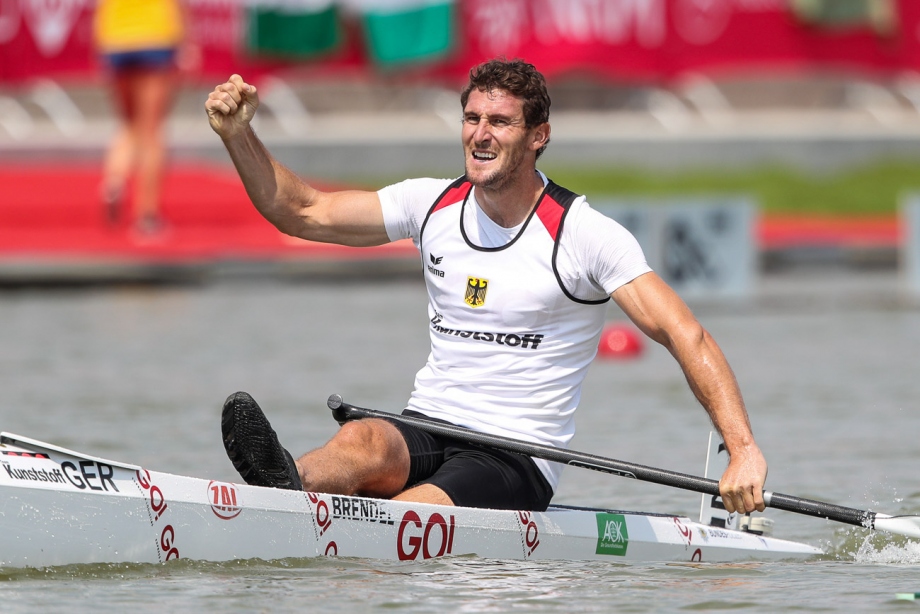
Four-time Olympic medallist and Chair of the ICF Athletes’ Committee Sebastian Brendel ensured the athlete perspective remained central throughout the review.
One of the most successful canoeists in Olympic history, Brendel believes the strategic direction creates an opportunity to strengthen the sport while remaining true to its foundations.
“As athletes, we want our sport to evolve while remaining true to its traditions,” said Brendel.
“Our goal is to create the best possible platform at the Olympic Games for athletes to showcase their performances, inspire new generations, and demonstrate everything that makes canoe sprint a great Olympic sport.
“As the Athletes' Commission, we will continue to be involved in the ongoing process of shaping the Olympic programme.”
Olympian and ICF Board member John Edwards welcomed the opportunity to make Canoe Sprint more visible and accessible for communities around the world.
“Too often we have found ourselves linked to two-kilometre venues that are located well away from where people live,” said Edwards.
“There is a real opportunity to bring Canoe Sprint closer to the public by racing on waterways that sit at the heart of our cities. Montreal is a great example of how successful that can be when the venue becomes part of the community and for potential daily users rather than being separated from it.
“I also like the inclusion of long-distance racing because it brings back important characteristics of Canoe Sprint, including wash riding and turning. These are skills that have always been part of our sport and deserve to be showcased.”
The Board also underlined that the strategic direction should not be interpreted as moving away from the sport’s traditional venues or established competition formats across its own World Cup and World Championships. Historic Canoe Sprint venues will remain a key part of the sports international calendar, underlined by the 2027 ICF Canoe Sprint and Paracanoe World Championships in Szeged, one of the cornerstone events and venues on the global calendar.
Building on Olympic Qualification Series success
The decision builds on the successful evolution of the Olympic Qualification Series, another key initiative delivered through the ICF’s Fit for Future strategy. The revised qualification system has expanded global participation, increased universality and introduced new destinations, including Montreal and two events in Japan in 2027, demonstrating how thoughtful evolution can strengthen both sporting excellence and global accessibility.
Together, these initiatives reflect the ICF’s long-term vision of ensuring Canoe Sprint remains one of the Olympic Movement’s most dynamic and accessible sports, building on nearly 90 years of Olympic history while creating new opportunities for athletes, organisers, broadcasters and fans for generations to come.
Related links