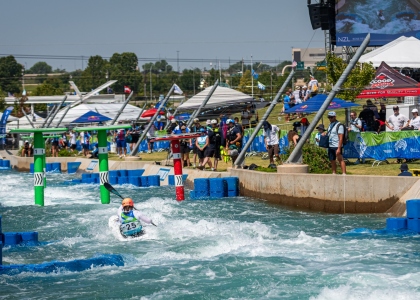

Slovenia’s capital, Ljubljana, is widely regarded as one of Europe’s most vibrant and green cities, having been awarded the European Green Capital Award in 2016. Known for its strong commitment to sustainability, largely pedestrianised centre, and abundant green spaces, the city seamlessly blends historic charm with a deep connection to outdoor life - particularly on the water.
Whether kayaking through the heart of the old town, canoeing beneath its iconic bridges, or enjoying a peaceful paddle along quieter stretches of the Ljubljanica River, Ljubljana offers a distinctive urban paddling experience.
The river has played a central role in the city’s development, from ancient trade routes to modern recreational use, and today helps position Ljubljana as an emerging destination for paddle sports and sustainable tourism.
Located in central Slovenia, Ljubljana is the country’s capital and largest city, serving as its political, cultural, and economic hub. Despite its status, it retains a relaxed, small-town feel, with much of the centre easily explored on foot or by bike.
Getting there and around
Ljubljana is well connected to major European cities, situated between four active countries. The nearest airport is Ljubljana Joze Pucnik Airport, located about 25 minutes from the city centre, with regular flights to and from the city.
Popular travel hubs include
Zagreb: 1.5-2 hour drive
Vienna: 4 hour drive
Venice: 2.5-3 hour drive
Trieste: 1-1.5 hour drive
Public transport is reliable, with buses serving most areas of the city. However, Ljubljana is highly walkable, and cycling is one of the most popular ways to get round. The riverside paths along the river are particularly scenic and widely used by both locals and tourists.
Key areas and neighbourhoods
City Centre: The lively heart of Ljubljana, featuring historic architecture, shops, restaurants, and easy access to the river.
Old Town: A charming area along the Ljubljanica River, with cobbled streets, colourful buildings, and riverside cafés.
Metelkova: An alternative cultural district known for its street art, nightlife, and creative spaces.
Tivoli District: A quieter, greener area near Tivoli Park, ideal for relaxing walks and outdoor activities.
Top attractions
Ljubljana Castle: A medieval fortress overlooking the city, offering panoramic views and cultural exhibitions.
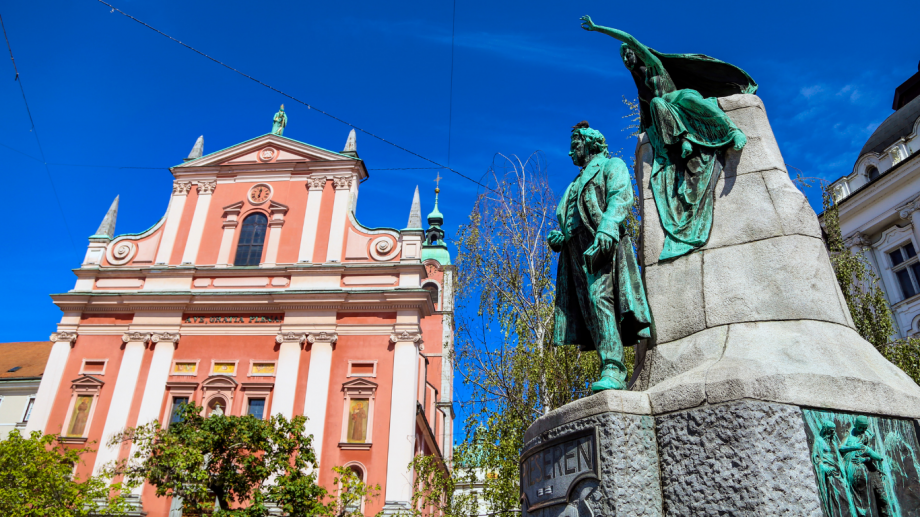
Triple Bridge: One of the city’s most iconic architectural features, connecting the old town with the modern centre.
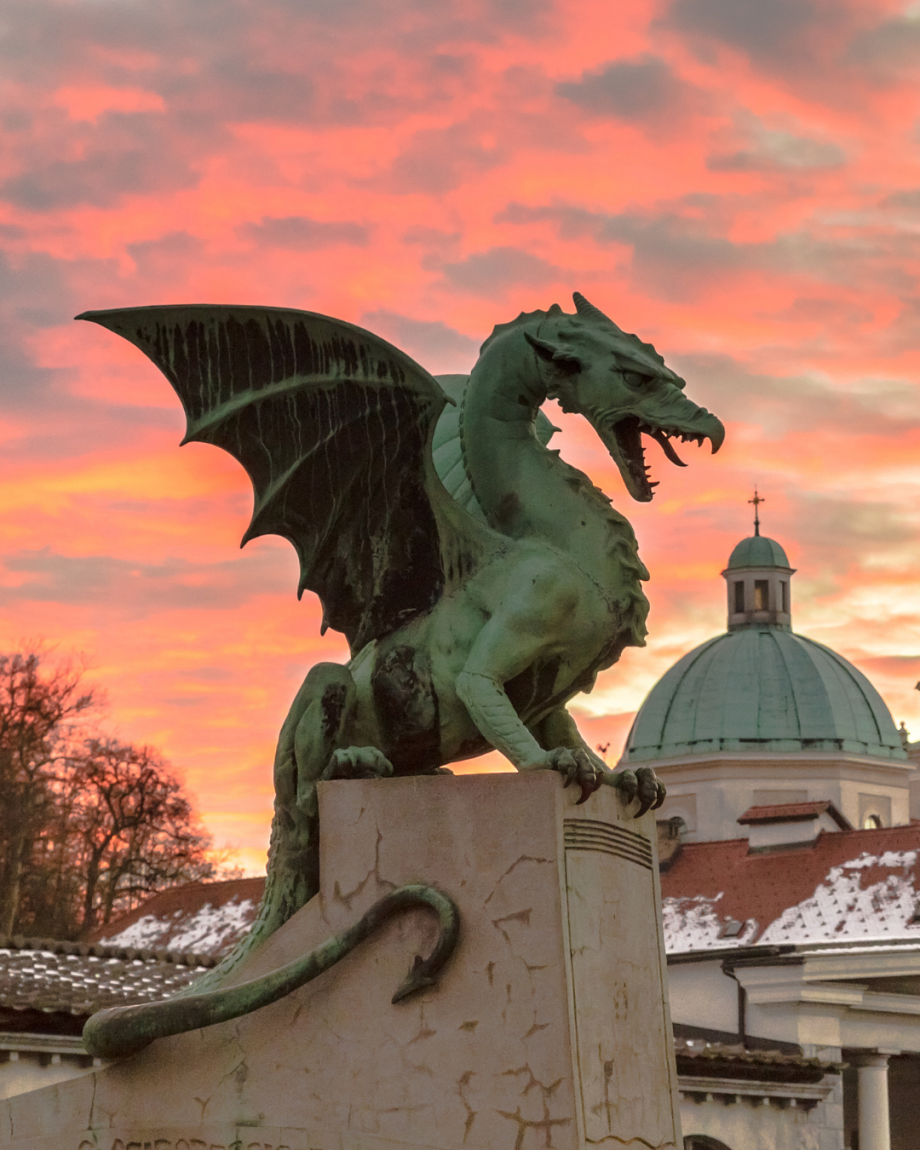
Dragon Bridge: Famous for its dragon statues, a symbol of the city.
Tivoli Park: The largest park in the city, perfect for walking, cycling, and relaxing in nature.
Central Market: A vibrant riverside market offering local produce, food, and crafts.
Food and drink
Ljubljana’s food scene reflects a mix of Alpine, Mediterranean, and Balkan influences. Local dishes include hearty meats, fresh fish, and seasonal vegetables, often paired with Slovenian wines.
The city is especially known for its riverside café culture, with terraces lining the Ljubljanica where locals gather throughout the day. From morning coffee to evening drinks, the riverfront is a social hub with a relaxed, welcoming atmosphere.

Accommodation
Ljubljana offers a wide range of accommodation options:
City Centre/Old Town: Ideal for first-time visitors, with easy access to major attractions and nightlife.
Riverside stays: Perfect for scenic views and proximity to kayaking and canoeing routes.
Boutique hotels & guesthouses: Stylish, locally run options offering comfort and character, often within walking distance of key sights.
Practical Information
Currency: Euro (EUR)
Language: Slovene (Slovenian)
Transport: Efficient buses, extensive cycling infrastructure, and a highly walkable city centre
Weather: Warm summers and cool winters, with spring and early autumn ideal for outdoor and paddle sports activities
Photos credit: Canva
Join Planet Canoe's YouTube channel for €9.99 per month to unlock members-only content and features
Related links