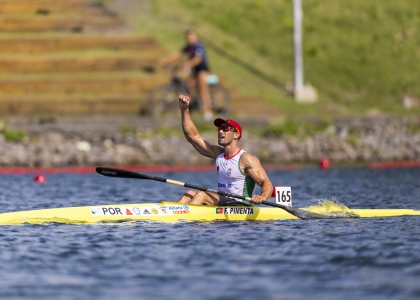

The International Canoe Federation’s global Canoe Sprint development programme has advanced through a third major phase, with athletes completing an intensive month-long training block in Hungary.
The latest stage of the programme combined training, testing and development work as athletes continued building towards future international competition.
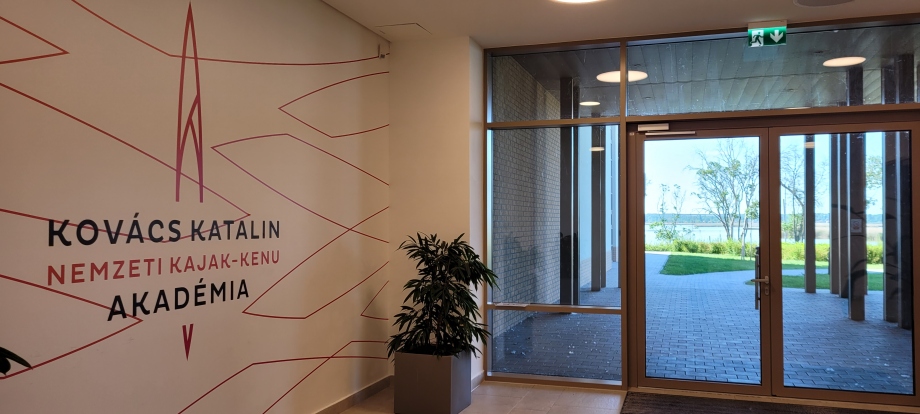
While physical testing and measurements were carried out at the Katalin Kovacs National Canoe Academy, the main focus of the camp took place at the Kolonics Training Center, where the athletes were based from May 17 to June 13.
The Budapest block followed directly on from the group’s time at the ICF Canoe Sprint World Cups in Szeged, Hungary and Brandenburg, Germany, creating a continuous period of competition, evaluation and development.
After gaining race experience on the international stage, the athletes returned to a focused training environment designed to refine technical and performance skills and build a solid long-term progression.
The extended training period allowed the head coach, Nichita Sergan, and the ICF coach's team, including Marlene La Tour, to work closely with the group across all areas of performance.
Daily schedules combined on-water sessions, strength and conditioning work, video analysis, recovery activities and regular performance monitoring.
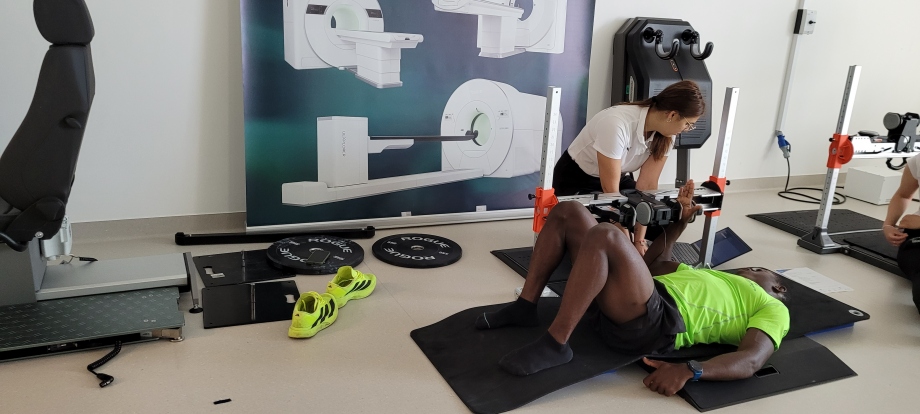
A major emphasis throughout the camp was placed on creating the right environment for athlete development.
Nutrition and recovery strategies formed a central part of the programme, helping athletes manage training loads while building the physical foundations needed for future success.
The transition from racing into a sustained block of high-volume training presented a significant challenge for the athletes.
"The challenge was maintaining sustained intensity, focus, and discipline across a long competitive period and making them incorporate the new technical aspects with the focus on their results," said La Tour.
The extended period together also created opportunities for athletes to learn from one another and strengthen relationships within the group, fostering a sense of family and communal work and support for one another.
According to the coaching staff, the benefits of the camp extended beyond individual performances, helping create a stronger and more connected training environment.
Technical execution, boat control, endurance and strength all showed encouraging progress during the training block. Athletes also continued developing their understanding of race pace, tactical awareness and the consistency required to perform at a higher level.
"From my perspective as coach, the athletes have developed very well across this period and we have full confidence in their development," said the ICF Coaches' Team.
"The athletes found the camp very valuable. They are highly motivated and committed, and they value the chance to improve each day alongside the team.
“They have full confidence in our programme and in the coaching team, and that trust pushes them to give their best every session."
The next stage of the programme will see the group head out to Turkiye for further training and development, before returning to Budapest on 17 July for a final training block before the ICF Canoe Sprint World Championships in Poznan from 26 to 31 August.
While results remain an important benchmark, the primary focus of the development programme is building athletes capable of progressing to the next level.
"This improvement comes from consistent daily work," added La Tour.
"They keep showing up, following the plan, and pushing for small gains each session."
"As coaches, our focus has been to guide that process and help them build these capacities and improve their performance stroke by stroke, day by day."
Related links